
Home / Resistive Load Bank
High Performance Resistive Load Bank
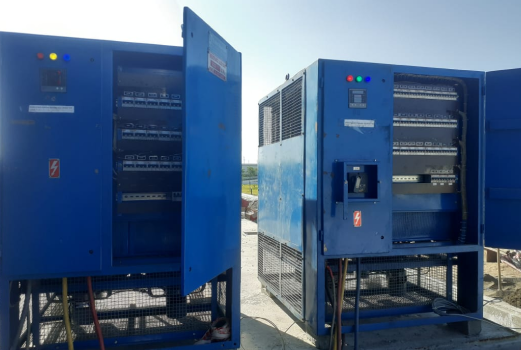
A Resistive Load Bank is an electrical testing device designed to simulate real electrical loads by converting electrical energy into heat. It is used to test and validate the performance of power sources such as diesel generators, UPS systems, transformers, and power plants under controlled load conditions.
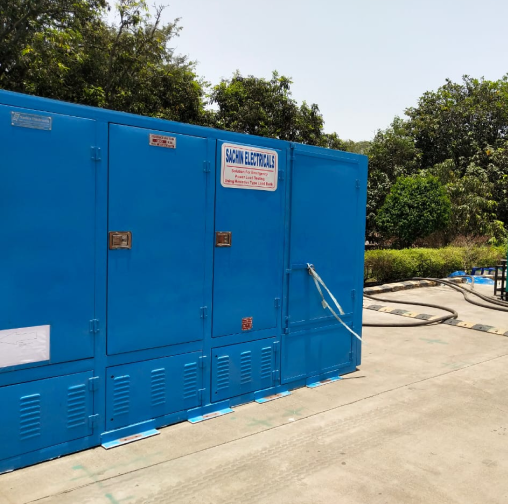

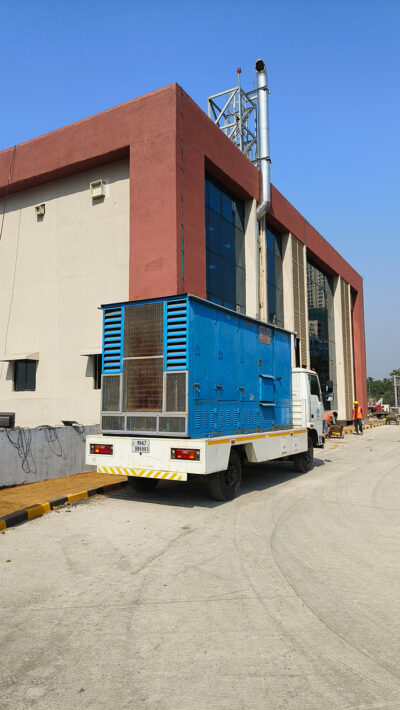
Resistive Load Banks for Generator & UPS Testing
At Sachin Electricals, we provide professional Resistive Load Bank services designed to ensure reliable generator load testing, performance validation, and safe operation of critical power systems. Our resistive load banks are engineered to simulate real electrical loads by converting electrical energy into heat, allowing accurate testing of true power (kW) capacity in generators, UPS systems, transformers, and other power equipment. We support,
- Data Centers & Hospitals
- Power Plants & Commercial Infrastructure
- Manufacturing Facilities
Resistive Load Bank
Accuracy - Resistive load banks provide precise kW load testing by applying a controlled electrical load to generators and power systems.
Reliability - Regular testing using a resistive load bank helps confirm that generators and power systems perform reliably during actual power demand.
Maintenance - Load bank testing helps detect potential problems early, allowing preventive maintenance before failures occur.
Safety - Resistive load banks allow controlled testing without connecting real operational loads. This ensures safe testing of generators.
Performance - It evaluates generator performance under full load conditions. also ensures proper heat dissipation, and stable power output.
Compliance - Load bank testing supports commissioning, preventive maintenance, and acceptance testing of power systems.
Resistive Load Bank

Frequently
Asked Question
What is a Resistive Load Bank and how does it work?
A resistive load bank is a device used for generator load testing that converts electrical energy into heat. It applies a controlled kW load to test the performance, efficiency, and capacity of generators, UPS systems, and power sources.
Why is a Resistive Load Bank used for generator testing?
A resistive load bank for generators is used to simulate real electrical demand without connecting actual facility loads. This allows safe and accurate generator performance testing and ensures the generator can handle its rated capacity.
How often should generator load bank testing be performed?
Regular load bank testing services are recommended during generator commissioning and periodic maintenance. Many facilities perform generator load bank testing annually or semi-annually to ensure reliable operation during power outages.
What problems can a Resistive Load Bank help prevent?
Using a resistive load bank for diesel generator testing helps prevent issues such as wet stacking, carbon buildup, and inefficient generator performance caused by operating generators at low loads for extended periods.
Which industries require Resistive Load Bank testing?
Industrial load bank testing is widely used in data centers, hospitals, manufacturing plants, power plants, and commercial facilities where reliable backup power systems are critical for continuous operations.